

Pricing Index of Hookah Components: Market Analysis and Cost Trends
Core Keywords: pricing index of hookah components, hookah market analysis, manufacturing cost trends
The global hookah industry is shaped significantly by the pricing index of hookah components. Understanding the underlying factors—from raw material costs to supply chain logistics—is essential for manufacturers, distributors, and retailers aiming to maintain profitability and market competitiveness. This analysis explores the current hookah market analysis, key manufacturing cost trends, and strategic insights for navigating price volatility.
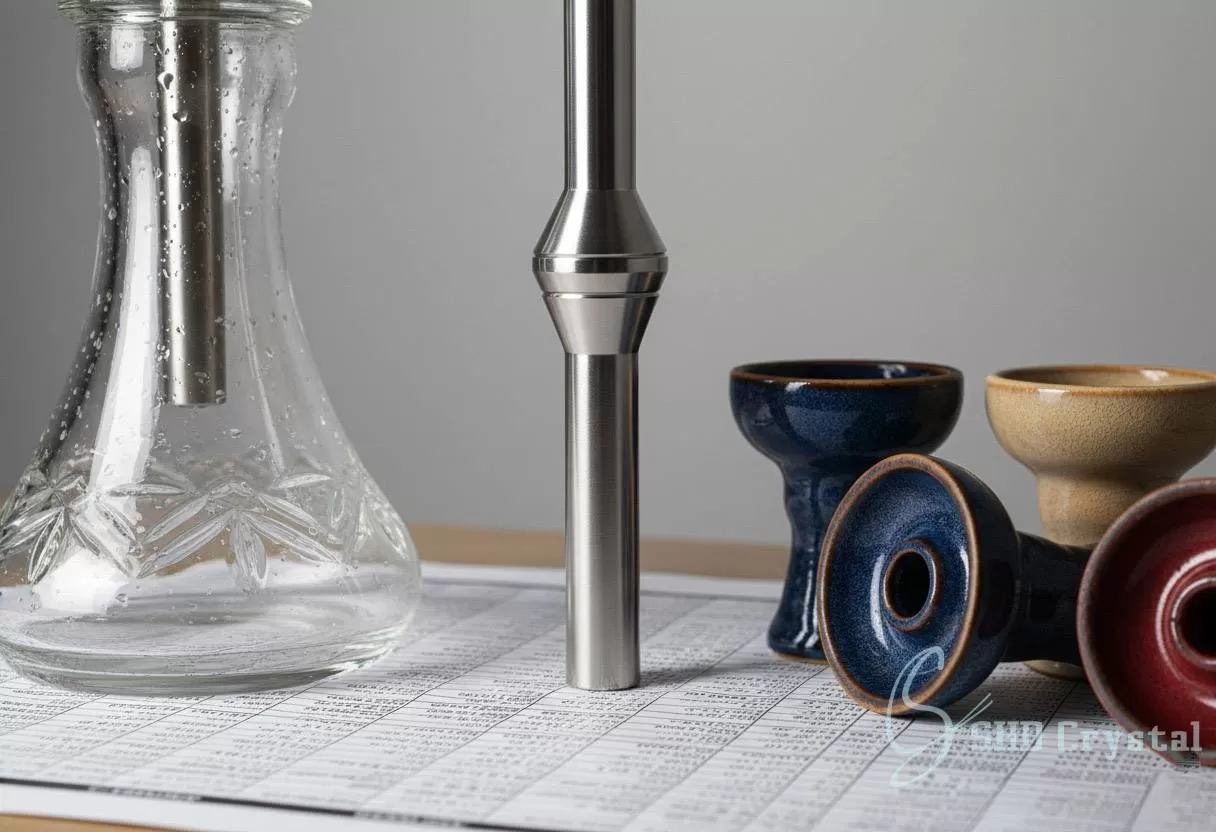
- What drives the pricing index of hookah components? The pricing index of hookah components is primarily influenced by raw material costs (glass, metals), energy prices, labor, logistics, and currency exchange rates, all tracked through ongoing hookah market analysis.
- How can manufacturers reduce production costs? By adopting automation, optimizing material use, and investing in energy-efficient technologies—key manufacturing cost trends that stabilize long-term pricing.
- Why is market analysis important for hookah businesses? Regular hookah market analysis helps businesses anticipate price shifts, adjust procurement strategies, and maintain competitive pricing in response to global manufacturing cost trends.
Manufacturing Cost Trends and Supply Chain Adjustments
The current manufacturing cost trends reflect a shift toward automation and material optimization. Glass factories are increasingly adopting energy-efficient furnaces, recycling water systems, and digital mold calibration to reduce waste. These improvements not only stabilize the pricing index of hookah components but also enhance environmental sustainability.
Currency fluctuations also play a role—since raw materials like silica sand and aluminum are traded globally, exchange rate volatility can cause short-term price spikes. Manufacturers maintaining local sourcing partnerships, such as SHD Crystal, experience greater price stability compared to import-dependent suppliers.
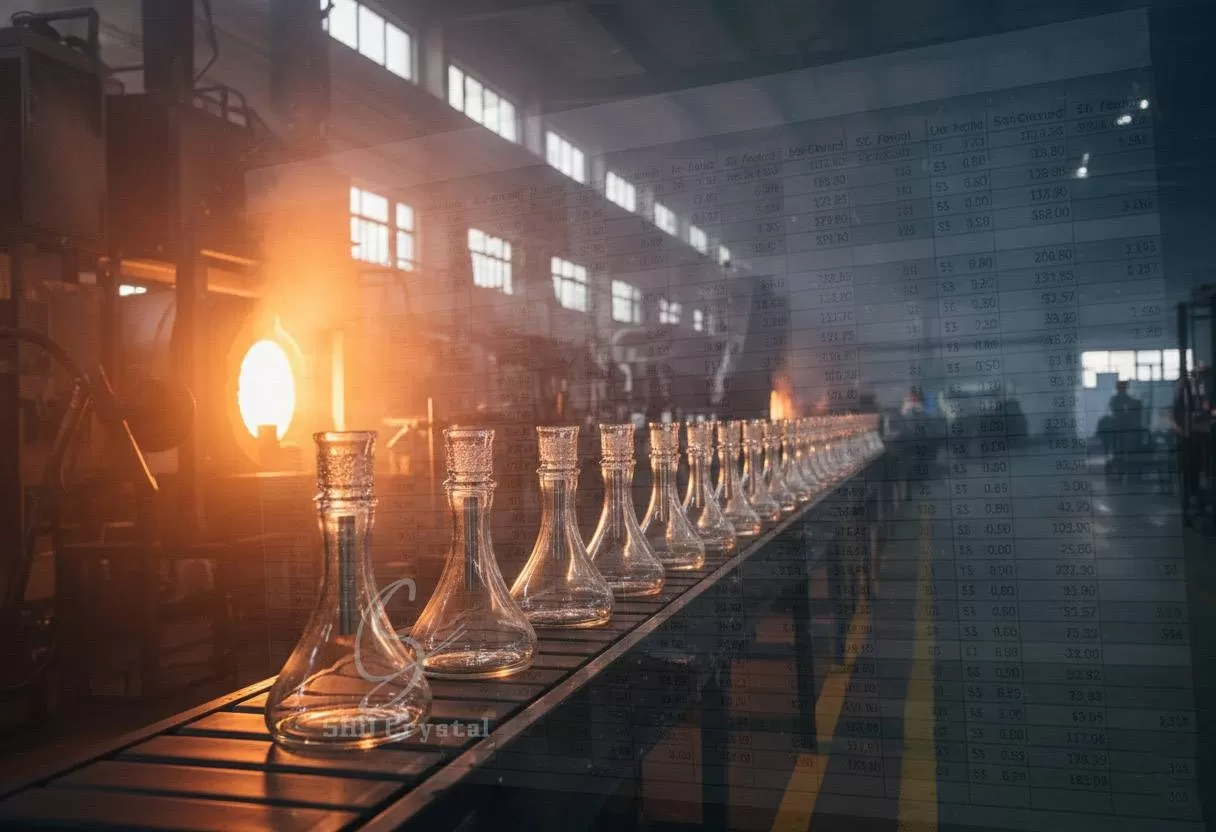
How Brands Use Pricing Data Strategically
Businesses rely on the pricing index of hookah components to plan annual budgets, negotiate supplier contracts, and adjust retail margins. Wholesale buyers can use regional data to time bulk purchases when market conditions favor lower costs.
For example, during periods of low energy prices, manufacturers can ramp up production of glass hookah bases to build inventory at minimal cost. Integrating hookah market analysis with manufacturing cost trends helps companies align product pricing with both seasonal demand and long-term profitability goals.
Conclusion
The pricing index of hookah components is more than just a number—it’s a vital performance indicator for the global supply chain. By studying hookah market analysis and tracking manufacturing cost trends, companies can anticipate price movements, optimize operations, and maintain competitiveness in a volatile international marketplace.
Looking for consistent pricing, transparent sourcing, and premium glass craftsmanship? SHD Crystal is your trusted partner in the hookah components. With decades of experience, SHD Crystal ensures stable pricing, low MOQ solutions, and world-class quality for brands and distributors worldwide.
Stay ahead of manufacturing cost trends and make informed decisions with reliable hookah market analysis. Partner with SHD Crystal for premium components backed by stable pricing and deep industry expertise. Let us help you optimize your supply chain and product lineup.
Connect for Market Insights & Stable Pricing